10 Essential Tips for Embracing Orthopedic Innovation for Better Health?
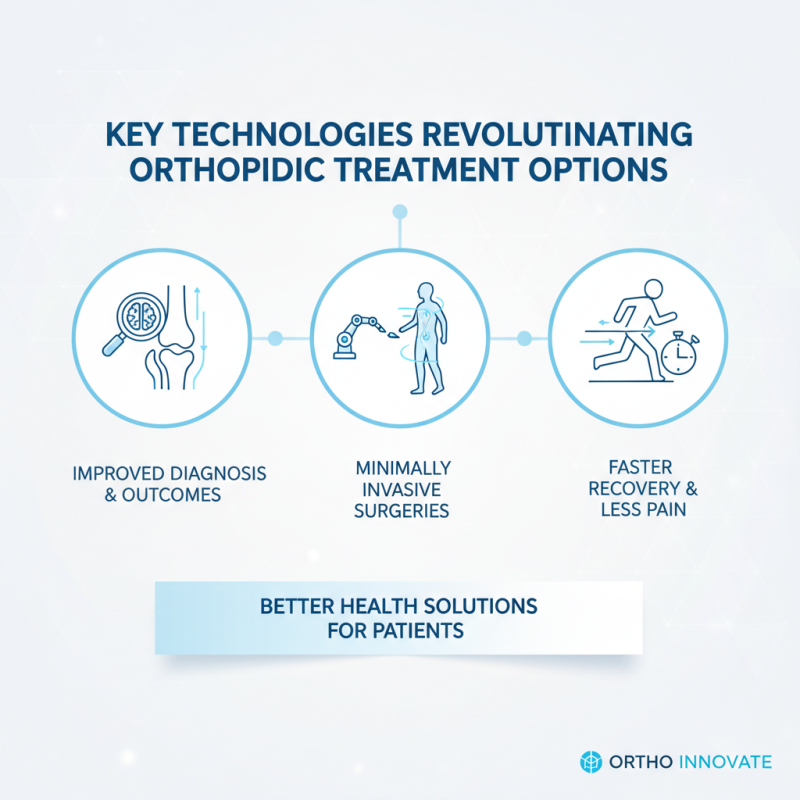
Orthopedic innovation is revolutionizing the way we approach musculoskeletal health. With advancements in technology, patients have access to improved treatments and procedures. These innovations can enhance recovery, reduce pain, and restore mobility. From minimally invasive surgeries to advanced rehabilitation techniques, the landscape of orthopedic care is rapidly evolving.
Adopting orthopedic innovation requires an open mindset and a willingness to embrace new possibilities. Many patients may feel apprehensive about new methods, questioning their effectiveness. However, leveraging these innovations can lead to better health outcomes and enhanced quality of life. It's essential to stay informed about the latest developments and speak openly with healthcare providers.
Understanding orthopedic innovation is not just for medical professionals. Patients can benefit by being proactive participants in their care. Engaging in discussions about options and considering new treatments can redefine experiences. As we explore these essential tips, we will highlight how embracing change can lead to transformative health experiences. Each tip aims to empower individuals on their journey to enhanced well-being.
Understanding the Importance of Orthopedic Innovation in Health Care
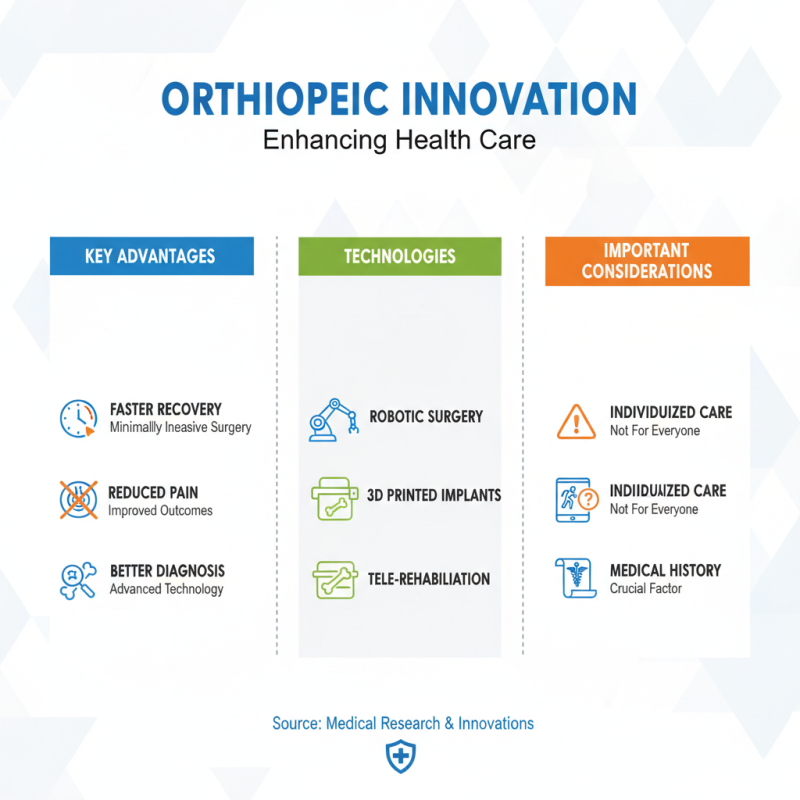
Orthopedic innovation plays a crucial role in modern health care. New technologies enhance diagnosis, treatment, and recovery. For instance, minimally invasive surgeries lead to faster recovery times. Patients can return to their daily lives sooner. This innovation reduces pain and improves overall outcomes. However, not every method works for every individual. It’s essential to consider personal medical backgrounds.
Accessing the latest treatments can be daunting. Inequities in health care sometimes limit options for patients. Additionally, some innovations may lack extensive long-term studies. Patients should approach new technologies with caution. Consulting with trusted health professionals is vital. They can provide insights into the reliability of these advancements.
Keeping informed about orthopedic innovation benefits everyone. This awareness fosters better communication between patients and caregivers. Understanding the latest techniques can empower patients to make informed decisions. Engaging with the community can also promote sharing experiences. Our health is a journey, and remaining open to new possibilities is essential.
Strategies for Integrating New Orthopedic Techniques into Practice
The integration of new orthopedic techniques can significantly enhance patient care. A recent study by the American Academy of Orthopaedic Surgeons highlighted that early adoption of innovative methods improves recovery times by up to 30%. Embracing these advancements requires thoughtful strategies.
One effective approach is continuous education. Engage in workshops and seminars to keep abreast of the latest techniques. This will help you remain relevant in a rapidly changing field. Research shows that facilities that invest in staff training see higher patient satisfaction rates.
Another tip is to foster collaboration among professionals. Discussing new methods with peers can facilitate knowledge sharing. Collaborative environments encourage innovative thinking. Be open to questioning established practices; sometimes the conventional way may not be the best anymore. Regularly review your protocols to identify potential areas for improvement.
Innovation doesn’t come without challenges. Implement changes gradually, ensuring each step is monitored for effectiveness. Collect feedback from patients and staff alike. Adapting to new methods often uncovers unexpected obstacles that need addressing. However, the commitment to innovation can lead to remarkable improvements in orthopedic health outcomes.
Patient-Centric Approaches to Adopting Orthopedic Innovations
Embracing orthopedic innovations is about improving patient care. Patient-centric approaches are crucial in this shift. The American Academy of Orthopaedic Surgeons reports that patient satisfaction rises significantly when patients are involved in their treatment plans. This means active communication between healthcare providers and patients shapes better outcomes.
Technological advancements, like 3D printing and robotics, are transforming orthopedic practices. Yet, some patients may feel overwhelmed by these innovations. A 2022 survey found that 40% of patients were hesitant about adopting new technologies. Engaging patients early can ease these concerns and foster trust. Providing clear information and support helps to demystify procedures.
Incorporating patient feedback into innovation processes is vital. Regular assessments can reveal gaps in understanding and acceptance. A 2021 study highlighted that only 60% of patients felt confident using new orthopedic technology. Continual dialogue ensures that innovations not only advance surgical techniques but also resonate with patient needs. This alignment is essential for successful adoption and better health outcomes.
10 Essential Tips for Embracing Orthopedic Innovation for Better Health
This bar chart illustrates the importance of various strategies for embracing orthopedic innovations, highlighting the need for a patient-centric approach in each area.
Evaluating the Impact of Orthopedic Innovations on Recovery Outcomes
Orthopedic innovations significantly influence recovery outcomes. Recent advancements in surgical techniques, prosthetics, and rehabilitation can enhance patient experiences.
These innovations often reduce recovery time and improve mobility. However, not all patients adapt equally to these changes. Continuous assessment is vital to understand individual responses to new methods. Some may face challenges that require extra support.
To embrace these innovations effectively, patients should keep a few tips in mind. Stay informed about new technologies through reliable sources. Engage in discussions with healthcare providers about the best options available for your condition.
Understanding your treatment plan can lead to better outcomes. Consider joining support groups to share experiences with others.
Another important aspect is to set realistic expectations. Recovery is a journey, and it may not always be smooth. Some innovations may come with drawbacks. Patients may face complications requiring additional interventions.
Remain open to discussing any concerns with your orthopedic team. They can provide guidance tailored to your specific needs, utilizing the latest advancements for your benefit.