Top 10 Surgical Instruments in China That You Should Know About?
Surgical instruments play a vital role in modern medicine, especially in China. The country's surgical instruments market was valued at over $3.5 billion in 2022, according to a report by Market Research Future. This figure reflects a growing demand for advanced surgical tools and technologies.
China's healthcare sector is rapidly evolving. Medical professionals require reliable and efficient instruments to improve patient outcomes. The surgical instruments used in various specialties show significant differences in design and functionality. For instance, minimally invasive surgeries often rely on specialized tools that are both precise and adaptable.
While many manufacturers deliver high-quality tools, some products still fall short. This inconsistency highlights the need for continued assessment and quality control in the industry. Surgeons depend on their instruments, making it essential to identify the top tools available. Understanding the best surgical instruments in China can empower healthcare professionals to make informed choices, ensuring safety and efficacy in surgical procedures.
Types of Surgical Instruments Commonly Used in China
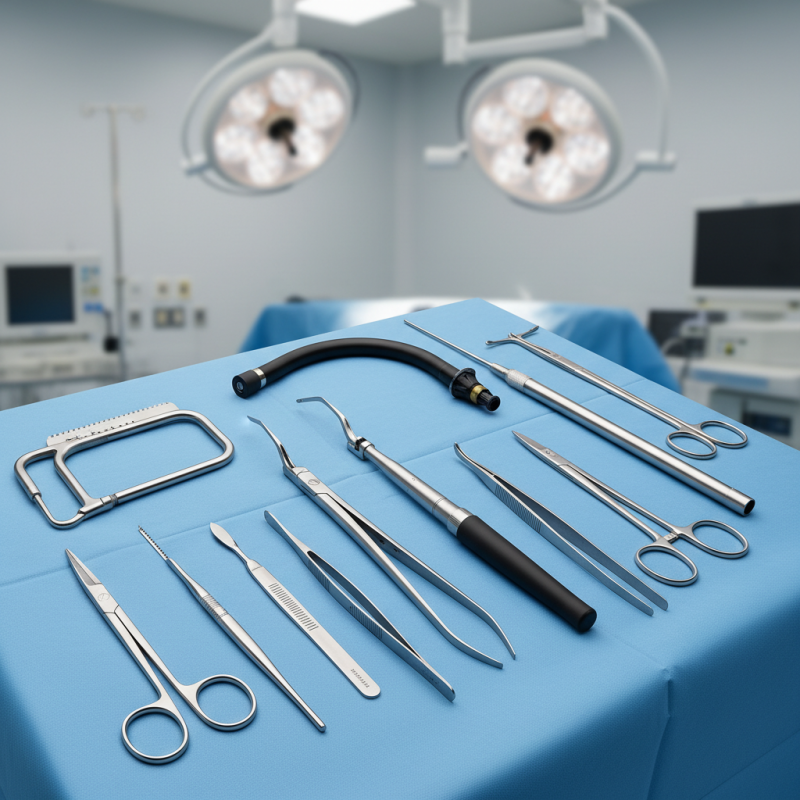
In China, surgical instruments play a vital role in medical procedures. Various types are commonly used, each serving specific functions. Scalpel blades are essential for making precise incisions. These sharp tools are crafted for accuracy. Surgeons depend on them to minimize tissue damage. Forceps are another critical instrument. They aid in grasping tissues or sutures during surgery. The design can vary, offering specialized functions for different procedures.
Scissors also have a prominent place in surgeries. Surgical scissors come in various shapes and sizes. These include straight and curved models. Their unique designs help surgeons navigate intricate areas. Hemostatic clamps serve an essential purpose, too. They control bleeding by clamping blood vessels. This function is crucial in maintaining a clear surgical field.
In addition to these, retractors are indispensable. They hold back tissues, providing surgeons with better visibility. While these instruments are indispensable, the need for quality is paramount. Poor-quality tools can lead to complications. Ensuring reliability in surgical instruments is a continuous challenge in the medical field. Awareness and education about instrument selection are vital for healthcare professionals.
Top 10 Surgical Instruments in China
Historical Evolution of Surgical Instruments in Chinese Medicine
The historical evolution of surgical instruments in Chinese medicine showcases the blend of tradition and innovation. Ancient Chinese physicians utilized simple tools made of bamboo and bronze. Significantly, these instruments focused on minimal invasiveness and natural healing processes. Data from historical studies indicate these early tools laid the groundwork for more advanced surgical methods.
As time progressed, the sophistication of surgical instruments grew. By the Tang Dynasty, over 100 surgical tools were in use. These included scalpels, forceps, and specialized tools for procedures such as bloodletting. Research highlights a shift toward precision and functionality in the Qing Dynasty. This era saw instruments redesigned for better ergonomics and efficacy, reflecting a growing understanding of anatomy and physiology.
Today, while some traditional instruments remain in use, the integration of modern technology is evident. Reports show that minimally invasive surgeries are on the rise, influenced by both historical practices and contemporary medical advancements. This evolution raises questions about the balance between tradition and modernization in surgical practices. The path forward may require reflecting on past techniques while embracing new technologies that could enhance patient care.
Key Manufacturers and Brands of Surgical Instruments in China
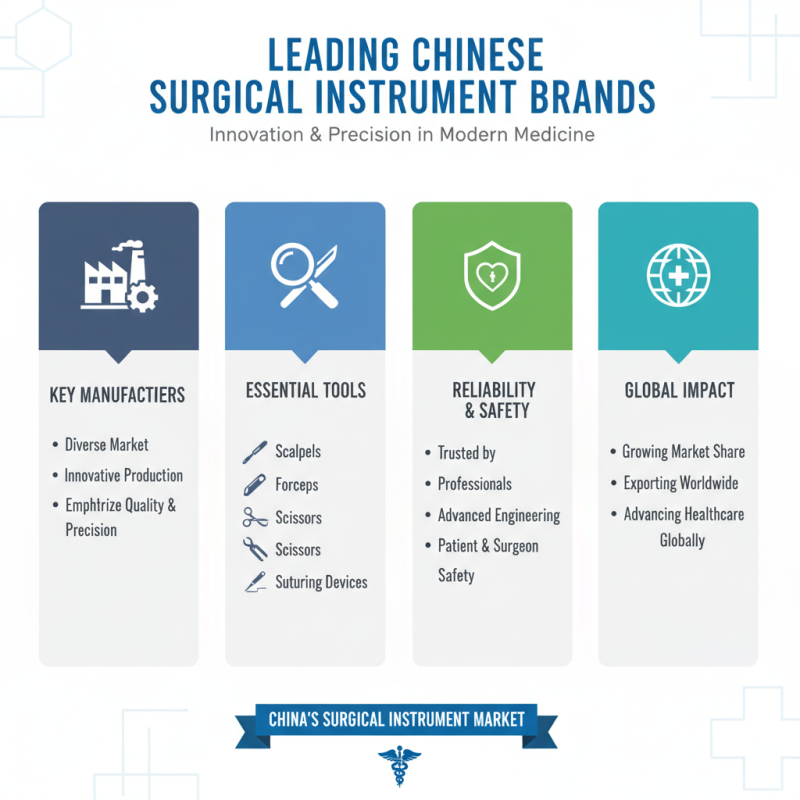
China's surgical instrument market is diverse and innovative. Key manufacturers here produce a variety of essential tools that are crucial in modern medicine. Many of these brands emphasize quality and precision, making them reliable for medical professionals. For instance, popular categories include scalpels, forceps, scissors, and suturing devices. The engineering behind these instruments is often advanced, ensuring safety for both patients and surgeons.
When choosing surgical instruments, consider the manufacturer’s reputation. A trusted brand typically adheres to strict quality standards. Researching user feedback can also provide insights into durability and functionality. Instruments should be easy to handle and sterile to ensure optimal results during procedures. Remember, even the best tools require proper maintenance and training for effective use.
Tips: Always inspect your instruments before use. Even minor defects can lead to significant issues during surgery. Additionally, investing in training on the latest techniques can improve surgical outcomes. Don't overlook the importance of continuous education in this evolving field.
Safety Standards and Regulations for Surgical Instruments in China
In China, surgical instruments must meet strict safety standards. These standards ensure that all instruments are safe for use in medical procedures. Compliance is essential to protect patients and medical staff.
The regulatory framework includes regular inspections and quality checks. Manufacturers must follow guidelines set by health authorities. They should also stay updated on international standards. This helps ensure that instruments are reliable and effective.
Despite these regulations, challenges persist. Some manufacturers might cut corners to reduce costs. This can compromise instrument quality. It's crucial for healthcare providers to conduct thorough evaluations. Continuous improvement in safety standards is necessary.
Top 10 Surgical Instruments in China That You Should Know About
| Instrument Name |
Common Uses |
Safety Standards |
Material |
| Scalpel |
Incision |
ISO 13485 |
Stainless Steel |
| Scissors |
Cutting tissues |
CE Certification |
Carbon Steel |
| Forceps |
Grasping tissues |
ISO 15197 |
Titanium |
| Needle Holder |
Suturing |
FDA Approved |
Stainless Steel |
| Electrocautery |
Coagulating tissues |
IEC 60601 |
Aluminum |
| Hemostatic Forceps |
Controlling bleeding |
ISO 13485 |
Stainless Steel |
| Suction Device |
Removing fluids |
CE Certification |
Plastic |
| Clamp |
Holding tissue |
ISO 15197 |
Stainless Steel |
| Retractor |
Holding back tissue |
FDA Approved |
Stainless Steel |
| Resectoscope |
Removing tissue |
IEC 60601 |
Stainless Steel |
Future Trends in Surgical Instrument Technology in China
The surgical instrument industry in China is evolving rapidly. According to a recent industry report, the market size is expected to reach $20 billion by 2025. This growth highlights a pressing need for innovative technology and high-quality instruments.
Advanced materials are emerging as a key trend. Many manufacturers are adopting biocompatible and lightweight materials. These can enhance surgical precision and reduce patient recovery time. However, not all products on the market meet these high standards. Some instruments still rely on outdated technologies, raising concerns about their efficacy and safety.
Automation and robotics are also gaining traction. In recent years, automated surgical systems have improved procedure accuracy. Yet, accessibility remains a challenge. Smaller hospitals often lack these resources. This gap in availability can impact patient outcomes. The future calls for a balance between high-tech solutions and accessibility for all medical facilities.